

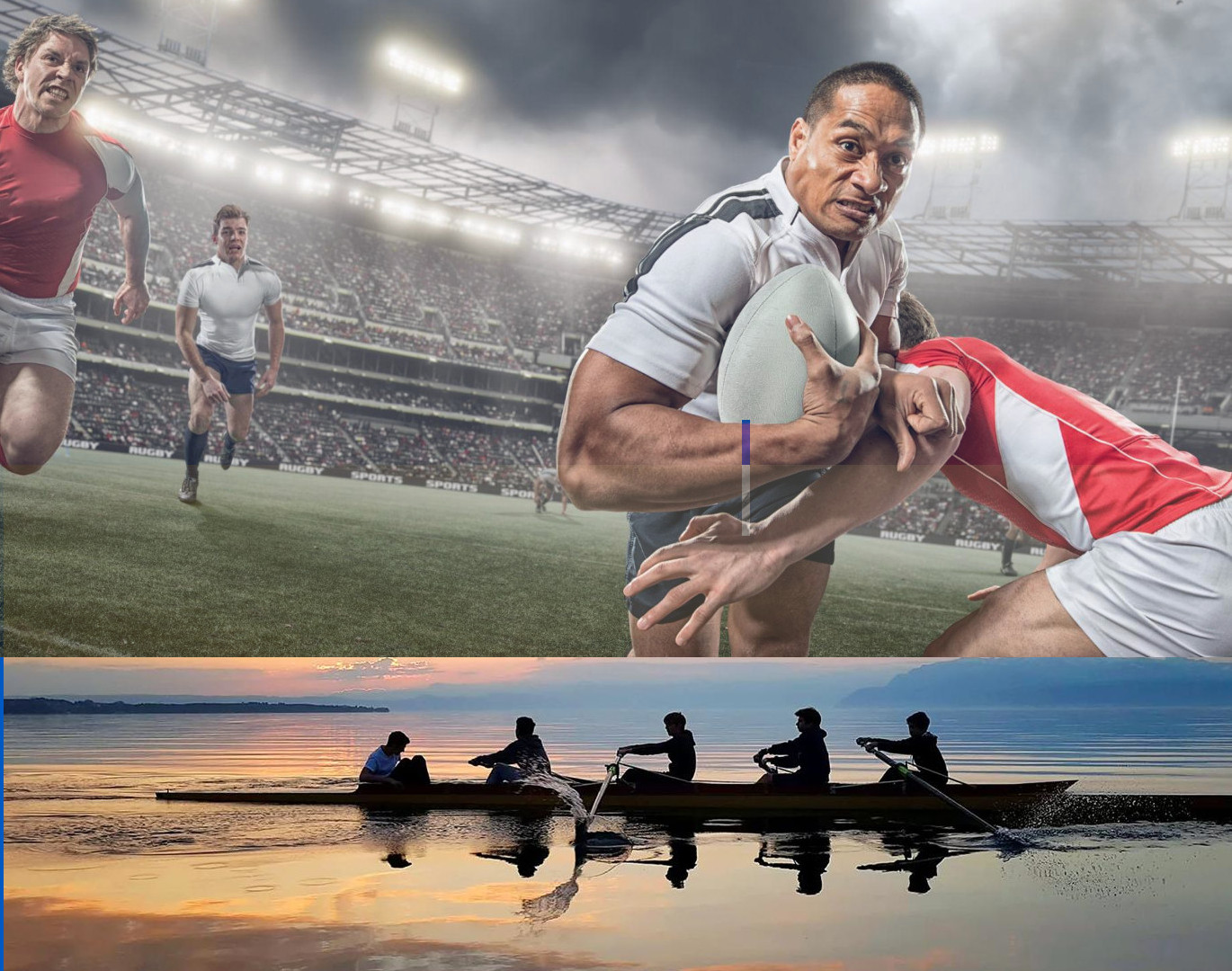
Politics didn’t always feel like a grand final played every night under floodlights. Once upon a time, it looked more like a long, uneven bush track — people arguing over direction, yes, but still walking roughly the same country.
Now it resembles a contact sport: two teams, two jerseys, and a crowd trained to boo before the whistle even blows.
The language has changed. Opponents are no longer people with different priorities. They are enemies, threats, wreckers, extremists, sell-outs, puppets, traitors. Every issue becomes a collision. Every compromise becomes weakness. Every quiet admission of complexity is treated like dropping the ball five metres from the line.
That is the great mistake. A country is not a football field. It is more like a rowing boat, or a bush walking club. You can disagree about the pace, the route, the rest stops, and the weather. But you are still travelling together.
In a rowing boat, one person pulling wildly for personal glory does not win the race. He turns the boat sideways. In a bush walking group, the loudest bloke charging ahead does not prove leadership. He just gets everyone lost faster.
But modern politics rewards the tackle. The clip. The slogan. The outrage. The moment that can be replayed, shared, clipped again, and weaponised before lunch. It trains citizens to become spectators, not participants. We cheer our side, excuse its fouls, and demand penalties for the other.
The result is not strength. It is exhaustion.
Real public life requires something slower and less glamorous: rhythm, patience, trust, and the uncomfortable discipline of pulling in the same direction even when you dislike the person in the next seat.
The question is not whether politics should involve disagreement. Of course it should. The question is whether disagreement serves the journey, or whether the journey has been abandoned for the pleasure of the hit.
Because if politics is meant to move a society forward, all this tackling is just slowing the boat down.