
March 17 2026 update”
When Honiara Sneezes, Santo Catches the Cold
When Air Vanuatu collapsed, the silence in the sky was more than operational.
It was economic.
Into that silence stepped the so-called “sister airlines” — regional carriers filling the void, stitching together what had once been a national network. For Port Vila, it was disruption. For Santo, it was lifeline.
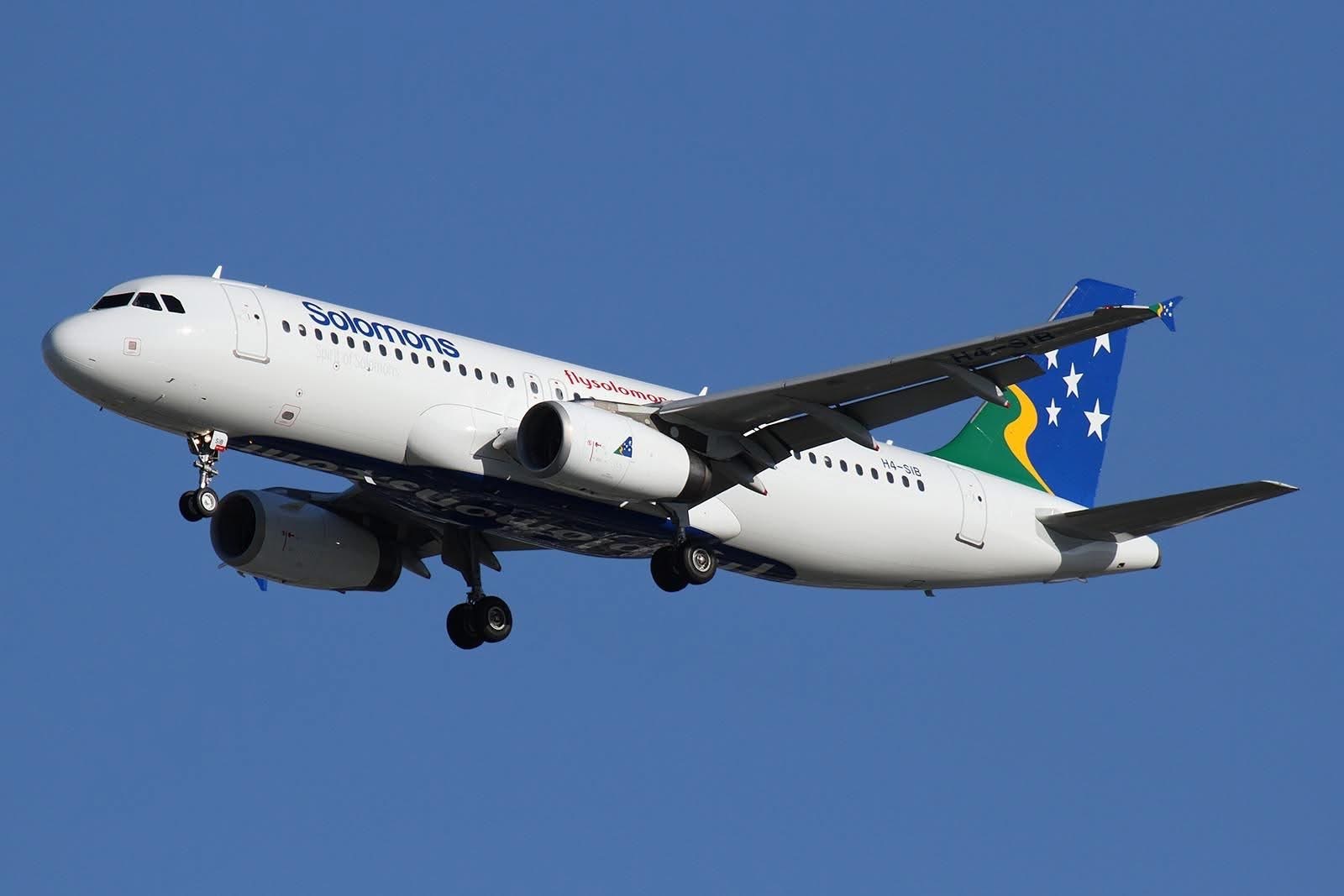
And among those lifelines sits Solomon Airlines.
Here is the uncomfortable truth Vanuatu must now confront: we no longer control our own air bridge. And Santo, in particular, is dependent on aircraft that do not belong to us, governed by policies we do not write, subject to financial pressures we cannot influence.
From National Carrier to Regional Reliance
Air Vanuatu’s collapse was not simply about fleet failure. It was about structural overreach. One jet stretched across Melbourne, Sydney, Brisbane and Auckland — an international posture without international resilience.
When that structure failed, Vanuatu’s connectivity became externally dependent.
The attempt at resurgence has been cautious, fragmented, fragile. Meanwhile, sister airlines — Fiji Airways, Qantas, Solomon Airlines and others — now carry the burden of connection.
That arrangement works only so long as those airlines are strong.
And that is where Santo should be paying attention.
Santo’s Exposure
Santo does not live on press releases. It lives on seat capacity.
Tourism operators in Luganville depend on predictable international links. Dive operators depend on inbound reliability. Freight relies on consistent uplift. Hotels price rooms based on air access. Workers depend on route continuity.
If Solomon Airlines reduces capacity, restructures routes, or experiences financial strain — Santo feels it immediately.
Not next quarter. Immediately.
And now we have open acknowledgement from Solomon Islands’ Opposition Leader that Solomon Airlines is facing a “serious sustainability crisis.” Unsustainable route losses. Weakening revenue. Questions about national aviation policy.
Those words may have been spoken in Honiara, but their echo carries across the Coral Sea.
The Double Vulnerability
Vanuatu is now exposed in two layers:
- Its own national carrier remains in fragile recovery.
- Its replacement capacity is provided by another small Pacific airline operating with just two jets.
Two jets servicing multiple international obligations across a region known for thin margins, high fuel costs and volatile demand.
This is not criticism. It is arithmetic.
If one aircraft enters extended maintenance, half the capacity disappears. If route losses force restructuring, marginal destinations become expendable. Santo, being secondary to capital hubs, risks becoming negotiable.
The Pacific aviation ecosystem is interconnected. When one small airline struggles, its neighbours absorb the tremor.
Strategic Blind Spot
There is a broader regional issue here.
Pacific governments often treat airlines as symbols of sovereignty rather than as disciplined commercial enterprises with clearly funded social obligations. Routes are maintained for political optics. Subsidies are implied rather than declared. Bailouts are reactive rather than strategic.
But when airlines operate on thin fleets and thin margins, symbolism is not enough.
Vanuatu now finds itself dependent on the stability of another nation’s strategic asset.
That is not partnership. That is vulnerability.
The Santo Question
What happens to Santo if Solomon Airlines rationalises routes?
What happens if capacity tightens?
What happens if losses demand retreat to core markets?
What happens if the two-jet equation falters?
These are not alarmist questions. They are prudent ones.
Because when Air Vanuatu fell, Santo learned what aviation fragility looks like.
Empty seats do not hurt.
Absent aircraft do.
The Way Forward
This is not an argument against Solomon Airlines. Nor is it an argument against regional cooperation.
It is an argument for structural realism.
If Vanuatu’s recovery strategy relies on sister airlines, then that reliance must be diversified, contractual, and strategically protected. Santo cannot remain dependent on goodwill or temporary capacity allocations.
A national aviation strategy must answer three simple questions:
- How do we guarantee Santo’s minimum international connectivity regardless of external airline instability?
- What redundancy exists if a partner carrier restructures or withdraws?
- How do we avoid repeating the single-point-of-failure mistake that destroyed Air Vanuatu?
Because history has already demonstrated what happens when optimism outruns resilience.
The Pacific sky is beautiful.
But it is unforgiving to fragile mathematics.